
When the Body Speaks What We Cannot Say
Unprocessed emotions do not simply disappear; they can shape how we feel, both mentally and physically. Modern research suggests that the connection between mind and body is not merely symbolic, but deeply biological.
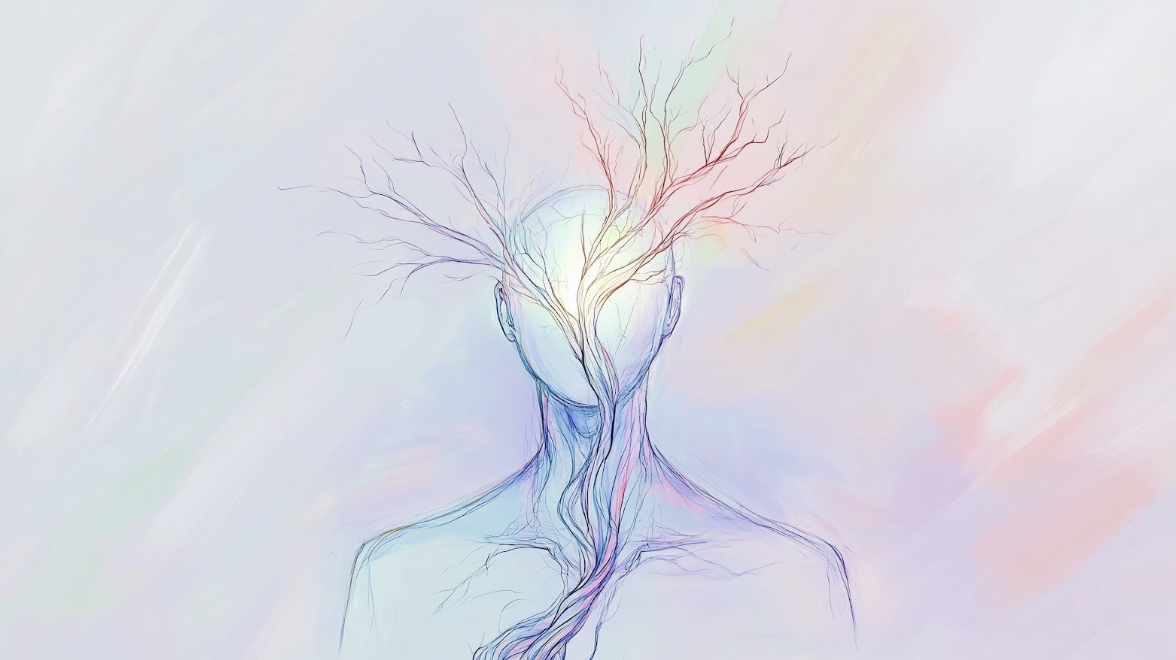
It often begins without words.
A tightness in the chest that returns without warning. A fatigue that sleep does not seem to touch. A discomfort with no clear explanation.
We tend to treat these as isolated physical symptoms. But what if they are part of something less visible: an ongoing conversation between mind and body?
Where Silence Settles
To avoid or suppress emotion is not merely to forget; it is often an adaptive, sometimes unconscious regulatory process.
Early psychoanalytic thinkers such as Sigmund Freud proposed that intolerable experiences could be kept out of awareness and later expressed through bodily symptoms (Freud and Breuer, 1895). While modern science does not support a direct one-to-one “conversion” model, it does recognise that psychological and physiological processes are inseparable components of human functioning.
George Engel’s biopsychosocial model reframed illness as the product of interacting biological, psychological, and social factors (Engel, 1977).
What is not processed psychologically may still influence the body through stress-related pathways.
The Physiology of Emotional Suppression
Emotional suppression is associated with measurable physiological effects.
Research shows that suppressing emotions can activate the body’s stress response, increasing heart rate and blood pressure (Gross and Levenson, 1993). Over time, repeated activation of these stress systems contributes to what Bruce McEwen described as allostatic load, the cumulative physiological burden of chronic stress (McEwen, 2007).
Over time, this ongoing stress can show up in the body in different ways:
muscular tension
gastrointestinal disturbance
fatigue
non-specific or diffuse pain
These are not merely symbolic; they reflect measurable interactions between neural, endocrine, and immune systems.
When the Body Carries Distress
Some individuals are more likely to experience distress primarily through the body.
Alexithymia, a difficulty in identifying and describing emotions, is associated with increased reporting of physical symptoms (De Gucht and Heiser, 2003).
Similarly, research on trauma suggests that overwhelming experiences may be encoded not only as explicit memories, but also as altered physiological responses and heightened bodily sensitivity (Afari et al., 2014).
Rather than “the body remembering” in a literal sense, these findings reflect enduring changes in how the brain and body process threat and emotion.
The Role of Interoception
Neuroscience offers one way to understand this through a concept called interoception: our ability to sense what is happening inside the body.
The anterior insula plays a central role in integrating bodily signals and shaping emotional awareness (Craig, 2009).
When this awareness is limited or disrupted, bodily sensations may be experienced more intensely and interpreted less clearly. In such cases, bodily signals may be amplified or misinterpreted, contributing to feedback loops in which physical sensations increase anxiety, which in turn intensifies the sensations themselves.
A racing heart may be experienced as physical discomfort rather than recognised as anxiety. A clenched stomach may reflect stress that has not been consciously identified.
Consider this: someone repeatedly seeks medical advice for chest tightness. Each time, cardiac tests return normal. Yet the sensation persists.
Over time, a pattern emerges: the discomfort intensifies during periods of sustained pressure or uncertainty. What is experienced as a purely physical symptom may, in part, reflect an unrecognised state of anxiety.
Beyond Mind–Body Dualism
Linking physical symptoms to emotional processes does not make those symptoms any less real.
Conditions such as irritable bowel syndrome, fibromyalgia, and chronic fatigue are increasingly understood through a biopsychosocial framework, involving complex interactions between physiological mechanisms, psychological processes, and environmental context (Henningsen et al., 2003).
Clinical guidelines emphasise that persistent physical symptoms are genuine, impactful, and deserving of appropriate care (NICE, 2021).
The body is not imagining; it is responding.
Listening as Part of Care
Approaches such as cognitive behavioural therapy, mindfulness-based interventions, and psychodynamic therapies aim to improve the integration of emotional and bodily experience, rather than focusing solely on symptom reduction.
Meta-analyses suggest that mindfulness-based therapies can reduce psychological distress and improve overall functioning (Khoury et al., 2013), while systematic reviews indicate the benefits of non-pharmacological approaches for somatic symptom disorders (van Dessel et al., 2014).
Developing awareness, rather than suppressing experience, may help reduce the need for distress to be expressed through the body.

A Final Thought
The body is often approached as something to fix or control. Yet it is also a system that reflects ongoing adaptation.
Not everything unspoken becomes illness. But what remains unprocessed may still shape how we feel, both emotionally and physically.
The body does not speak in words but it rarely stays silent.
This article does not replace medical advice. Persistent or concerning symptoms should always be evaluated by a healthcare professional.