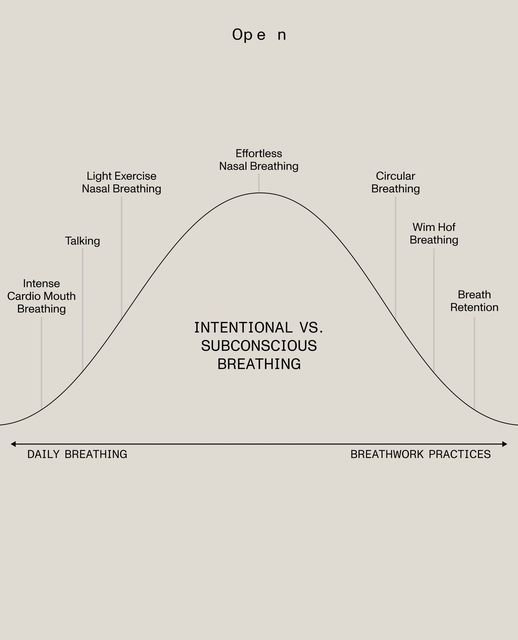
The Science of Breathwork: Simple Techniques to Reduce Stress in Minutes

In today’s fast-paced world, stress has almost become a default setting. Between constant notifications, demanding schedules, and an always-on culture, our bodies rarely get the chance to shift out of “fight or flight” mode. The result? Tension, fatigue, and a restless mind. Yet one of the most powerful tools to calm the nervous system is right under our nose—our breath.
Breathwork, the practice of consciously altering breathing patterns, has been used for centuries in traditions like yoga and meditation. Today, it’s backed by modern science as one of the fastest ways to regulate the body’s stress response. By shifting how we breathe, we can literally change how we feel in a matter of minutes.
Why Breath Matters: The Science Behind It
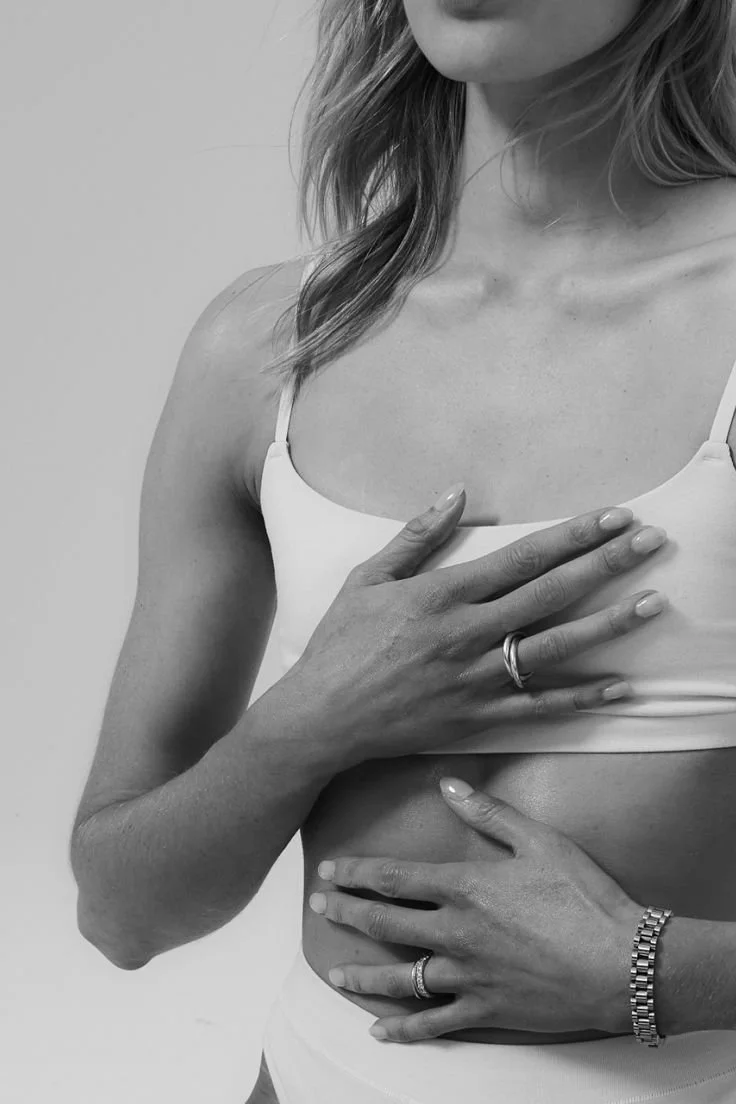
The body has two main branches of the autonomic nervous system: the sympathetic system, which primes us for action (think increased heart rate, rapid breathing, and cortisol release), and the parasympathetic system, which restores balance by slowing the heart, aiding digestion, and signaling safety.
When we are stressed, our breathing tends to become shallow and fast, which keeps the sympathetic system switched on. On the other hand, slow, deep, and controlled breathing stimulates the vagus nerve, a key channel connecting the brain to the body. Activating this nerve triggers the parasympathetic system, reducing cortisol levels, lowering blood pressure, and creating a sense of calm.
Recent studies have confirmed that specific breathing techniques can reduce anxiety, improve focus, and even enhance resilience. In fact, research published in Frontiers in Human Neuroscience (2017) found that controlled breathing exercises improve emotional regulation and cognitive performance by balancing oxygen and carbon dioxide levels in the blood.
Breathwork in Practice: Techniques You Can Try Anywhere
The beauty of breathwork lies in its accessibility. You don’t need a yoga mat, special equipment, or even much time—just a few minutes and your own lungs. Here are some techniques that can be easily integrated into daily life:
1. Box Breathing (4-4-4-4)
How it works: Inhale for 4 counts, hold for 4, exhale for 4, hold again for 4.
Why it helps: This structured rhythm balances the nervous system and is often used by athletes and even Navy SEALs to stay calm under pressure.
When to use it: Before a big meeting, presentation, or anytime you feel overwhelmed.
2. Alternate Nostril Breathing (Nadi Shodhana)
How it works: Use your thumb to close your right nostril and inhale through the left. Close the left nostril with your ring finger, exhale through the right, then inhale again through the right. Continue alternating.
Why it helps: Rooted in yogic tradition, this practice balances the two hemispheres of the brain and reduces anxiety.
When to use it: During breaks in the workday or as a reset before meditation.
3. Extended Exhale Breathing
How it works: Inhale deeply through the nose, then exhale slowly for twice as long (e.g., inhale for 4, exhale for 8).
Why it helps: Lengthening the exhale activates the parasympathetic system and reduces heart rate quickly.
When to use it: Before bed, after an argument, or whenever you need to release tension.
4. Breath of Fire (Kapalabhati)
How it works: Take quick, forceful exhales through the nose while keeping the inhales passive. Repeat rapidly for 30–60 seconds.
Why it helps: Unlike calming practices, this energizing breath stimulates circulation and wakes up the mind.
When to use it: In the morning or as a natural coffee alternative when you feel sluggish.
Making Breathwork a Daily Ritual
The power of breathwork lies not only in its immediate effects but also in its cumulative benefits. Practicing regularly can help train your nervous system to become more adaptable to stress. Start with 2–5 minutes per day and gradually build up.
You can integrate breathwork into existing routines:
Pair box breathing with your morning coffee.
Use extended exhales while lying in bed before sleep.
Try alternate nostril breathing after closing your laptop to mark the end of your workday.
By associating breathwork with familiar cues, it becomes a natural part of your lifestyle rather than another task on your to-do list.
Beyond Stress Relief: The Wider Benefits

While most people turn to breathwork for stress relief, its benefits extend much further. Studies suggest that consistent practice can:
Boost focus and clarity: Oxygen-rich blood supports brain function.
Improve sleep quality: Slow breathing before bed prepares the body for deeper rest.
Support immunity: By reducing chronic stress, breathwork lowers inflammation and supports immune resilience.
Enhance emotional resilience: A calmer baseline makes it easier to respond thoughtfully instead of react impulsively.
These ripple effects highlight why so many wellness experts consider breathwork foundational—not just for mental calm but for overall well-being.
Final Thoughts
In moments of stress, it’s easy to feel like calm is out of reach. Yet breathwork reminds us that we carry a built-in reset button everywhere we go. A few intentional breaths can lower tension, shift perspective, and create space for clarity.
The best part? It costs nothing, takes almost no time, and can be done anywhere. In a world where wellness trends come and go, breathwork stands out as a timeless, science-backed practice—one that proves a calmer, more centered life might be just a breath away.